
Japanese microgreens, prized for their vibrant flavors and nutritional density, are experiencing a surge in popularity. This detailed guide dives into the intricacies of cultivating these culinary gems using a dedicated growing kit. From selecting the perfect seeds to achieving optimal harvests, we’ll explore the complete process, uncovering the secrets to success.
This comprehensive resource explores the various types of Japanese microgreens available in kits, comparing their nutritional profiles. It also delves into the key components of these kits, examining materials, sizes, and growing mediums. The guide then details the specific growing techniques and procedures, emphasizing the optimal conditions for different varieties. Furthermore, it addresses maintenance, troubleshooting, and harvesting strategies, providing a complete toolkit for aspiring microgreen growers.
Introduction to Japanese Microgreens Growing Kits
Japanese microgreens, a burgeoning trend in culinary and health-conscious circles, offer a concentrated burst of flavor and nutrition. Their rapid growth cycle and intense flavor profile, often exceeding those of their mature counterparts, make them a valuable addition to any kitchen. This focus on efficient, high-quality microgreens aligns with Japan’s overall emphasis on sustainable agriculture and maximizing nutritional value from food.The cultivation of Japanese microgreens often employs specific techniques designed to optimize nutrient absorption and accelerate growth.
These methods, including precise temperature control and controlled lighting, are integral to achieving the vibrant color and intense flavor profiles characteristic of Japanese microgreens. This dedication to meticulous growing practices translates to a higher nutritional density compared to conventionally grown counterparts.
Growing Process of Microgreens
The microgreens’ rapid growth cycle is a key advantage. The process begins with carefully selected seeds, often sourced from reputable suppliers known for their high germination rates. These seeds are then meticulously prepared, ensuring optimal hydration and preventing fungal growth. After sowing, a controlled environment, typically employing hydroponic or aeroponic techniques, is maintained to ensure consistent moisture and temperature levels, crucial for uniform germination and growth.
Advantages of Using a Dedicated Growing Kit
Dedicated microgreens growing kits offer significant advantages. These kits streamline the process, allowing home cultivators to reproduce the meticulous conditions necessary for optimal microgreen development without requiring extensive space or specialized equipment. Kits usually include everything needed for successful cultivation, from seed trays to nutrient solutions and lighting. This pre-packaged approach minimizes the need for trial-and-error, leading to consistent and reliable yields.
Common Types of Japanese Microgreens
A variety of microgreens, often showcasing unique flavor profiles and nutritional benefits, are available in growing kits. Common choices include radish, mustard, and alfalfa, each offering distinct flavors and nutritional profiles. The popularity of these specific varieties stems from their ease of cultivation, consistent high quality, and desirable nutritional components.
Nutritional Comparison of Japanese Microgreens
| Microgreen Variety | Vitamin K (mcg) | Vitamin C (mg) | Protein (g) | Fiber (g) |
|---|---|---|---|---|
| Radish | 10-20 | 5-10 | 1.5-2 | 1-2 |
| Mustard | 20-30 | 6-12 | 2-3 | 1.5-2.5 |
| Alfalfa | 15-25 | 4-8 | 1-1.5 | 0.5-1 |
This table provides a general comparison of key nutrients. Specific values can vary based on growing conditions and specific variety. The data presented here underscores the potential nutritional value of microgreens, emphasizing the importance of incorporating these into a balanced diet.
Features and Components of Japanese Microgreens Kits
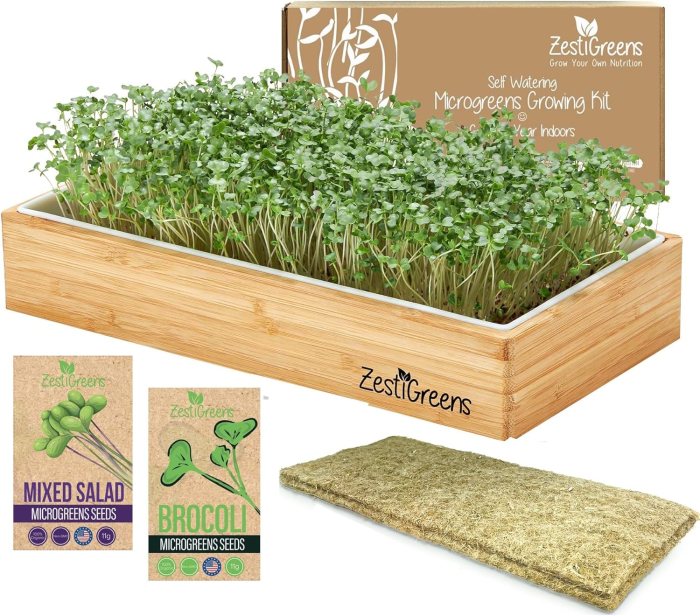
Japanese microgreens kits are gaining popularity for their ease of use and the fresh, nutrient-rich produce they yield. These kits offer a convenient and sustainable way to grow microgreens at home, catering to the growing interest in urban farming and healthy eating. Understanding the features and components of these kits allows consumers to choose the best option for their needs and space.Japanese microgreens kits vary significantly in design, features, and size, offering a range of options for both novice and experienced growers.
Key components, construction materials, and varying sizes are crucial considerations when selecting a kit.
Seed Trays and Growing Mediums
Different kits employ various seed trays and growing mediums, each with its own advantages. The choice depends on factors like the desired yield, ease of maintenance, and the grower’s preferences. Some kits utilize seed starting trays with individual compartments, ideal for growing specific varieties of microgreens in separate sections. Others use a reusable growing medium like vermiculite or coconut coir, which offer excellent water retention and aeration, promoting healthy root development.
Materials and Construction
The materials used in constructing microgreens kits significantly influence their durability, aesthetics, and functionality. Many kits are crafted from lightweight, yet durable, plastic or other recyclable materials, minimizing environmental impact. The use of food-grade materials is also a significant aspect of these kits to ensure the safety and quality of the final product. Furthermore, some kits incorporate features like built-in drainage systems to prevent waterlogging and promote optimal root development.
Kit Sizes and Capacities
Japanese microgreens kits come in a variety of sizes and capacities, ranging from small tabletop models to larger countertop units. The size directly correlates with the quantity of microgreens that can be grown at a time. Smaller kits are ideal for individuals or small families seeking a manageable growing space, while larger kits cater to those looking to produce microgreens in bulk for commercial or home use.
For example, a smaller kit might yield enough microgreens for a week’s worth of salads, while a larger model could potentially produce a substantial amount for a restaurant or a community garden.
Lighting Requirements
Proper lighting is essential for microgreens to thrive. Kits often include built-in LED grow lights that mimic the natural sunlight spectrum. These lights ensure consistent illumination, promoting faster growth and higher yields. LEDs are an energy-efficient choice, reducing electricity consumption. Some kits may also have adjustable light intensity settings, allowing the user to customize the growing environment based on the specific needs of the microgreens.
The lighting requirements for the microgreens will determine the appropriate duration and intensity of light required for optimal growth.
Comparison of Microgreens Kits
| Kit Type | Pros | Cons |
|---|---|---|
| Small, tabletop kit | Compact, suitable for small spaces, easy to maintain, budget-friendly | Limited capacity, may not be suitable for large-scale production |
| Medium-sized countertop kit | Increased capacity compared to small kits, suitable for moderate growing needs, provides a balance between space and yield | May take up more counter space, potentially higher price point |
| Larger, multi-tray kit | Ideal for commercial or large-scale home production, provides significant yield, often includes advanced features | Significant space requirement, potentially higher price point, more complex setup |
Growing Techniques and Procedures
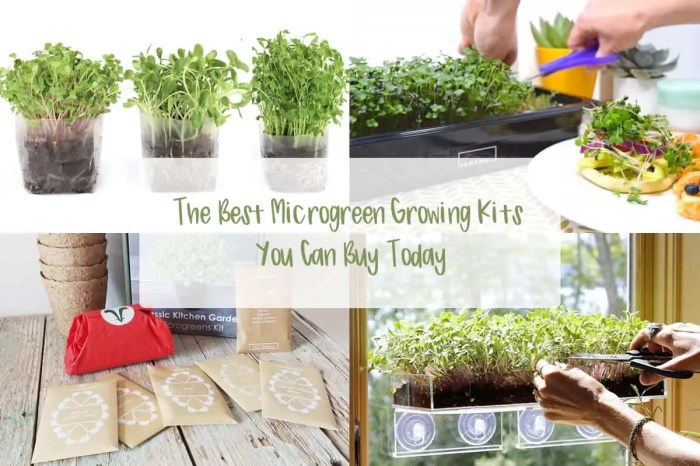
Japanese microgreens kits prioritize controlled environments for optimal growth. These systems mimic ideal conditions, ensuring consistent quality and yield, a crucial factor for commercial and home-scale cultivation. Understanding the intricacies of growing techniques, including temperature, humidity, and watering, is paramount for successful harvests.Precise control over the growing environment is essential for high-quality microgreens. Variations in these parameters can significantly impact the final product’s flavor, texture, and nutritional profile.
The meticulous approach to cultivation in these kits translates to superior outcomes compared to traditional methods.
Optimal Temperature and Humidity Ranges
Microgreens exhibit varying temperature and humidity requirements depending on the specific variety. Maintaining these parameters within the ideal ranges is vital for healthy growth and development. Consistent temperature and humidity levels reduce stress on the seedlings, leading to faster growth and higher yields. For example, radish microgreens thrive in a range of 65-75°F (18-24°C) with 60-70% relative humidity.
Conversely, spinach microgreens typically perform best at 70-75°F (21-24°C) and 70-80% humidity.
Watering Schedules and Methods
Watering frequency and method are critical for maintaining consistent moisture levels without causing waterlogging or excessive dryness. Overwatering can lead to root rot, while underwatering stunts growth. Japanese microgreens kits often incorporate automatic watering systems, precisely controlling the amount and frequency of water delivered to the growing medium. This ensures consistent hydration, a critical element for successful microgreen cultivation.
The watering method and schedule should be adjusted based on the specific microgreen variety and the kit’s design.
Light Intensity and Duration
Adequate light is crucial for photosynthesis, the process by which microgreens convert light energy into chemical energy. Light intensity and duration directly influence growth rate and overall yield. LED grow lights, commonly used in microgreen kits, provide a spectrum of light tailored for optimal microgreen development. The specific light intensity and duration needed vary by variety, with some needing more light than others.
For instance, leafy greens generally require more intense light compared to root crops.
Step-by-Step Guide for Growing Microgreens with the Kit
- Prepare the seed trays by filling them with the appropriate growing medium as per the kit’s instructions.
- Sow the seeds evenly across the trays, ensuring proper spacing according to the variety’s needs. Following the kit’s seed-sowing guidelines is crucial for even germination and growth.
- Maintain the optimal temperature and humidity levels using the kit’s temperature and humidity control mechanisms. These mechanisms ensure consistent environmental conditions.
- Apply the pre-programmed watering schedule as Artikeld in the kit’s instructions. Adjusting the watering frequency based on the microgreen variety is crucial.
- Place the kit under the provided grow lights, ensuring appropriate light intensity and duration as specified by the kit instructions. This is critical for optimal photosynthesis.
- Monitor the growth daily, adjusting watering and light exposure as necessary. Regular monitoring helps detect any issues and take corrective action.
- Harvest the microgreens when they reach the desired size, typically 7-14 days after sowing, following the instructions in the kit.
Summary of Growing Stages for Various Microgreens
| Microgreen Variety | Ideal Temperature (°F) | Ideal Humidity (%) | Typical Growth Time (days) |
|---|---|---|---|
| Radish | 65-75 | 60-70 | 7-10 |
| Spinach | 70-75 | 70-80 | 8-12 |
| Broccoli | 70-75 | 70-80 | 9-14 |
| Wheatgrass | 65-75 | 60-70 | 7-10 |
Benefits and Advantages of Using Japanese Microgreens Kits
Japanese microgreens, boasting vibrant colors and intense flavors, are rapidly gaining popularity for their nutritional and health advantages. These miniature vegetables, harvested in their early growth stage, offer a concentrated punch of nutrients, making them a valuable addition to any diet. Growing them at home using specialized kits provides an accessible and rewarding experience.These kits streamline the process, making home cultivation straightforward and efficient.
The controlled environment fostered by these systems ensures consistent quality and yield, unlike traditional gardening methods. This ease of use is particularly attractive for those new to gardening or seeking a convenient way to incorporate healthy ingredients into their meals.
Nutritional and Health Benefits of Japanese Microgreens
Japanese microgreens are nutritional powerhouses, packed with vitamins, minerals, and antioxidants. They contain significantly higher concentrations of certain nutrients compared to their mature counterparts. This heightened nutrient density contributes to improved digestion, increased energy levels, and a stronger immune system. The bioavailability of nutrients in microgreens is also exceptionally high, meaning the body absorbs them more effectively.
This contributes to quicker nutrient uptake and improved overall health.
Environmental Advantages of Home Microgreen Growing
Growing microgreens using these kits presents a number of environmental advantages. The kits are often designed with sustainable materials and minimal water usage, reducing the environmental footprint of home gardening. Furthermore, home cultivation eliminates the need for transporting produce from distant farms, thereby decreasing the carbon emissions associated with long-distance food supply chains. These kits enable localized food production, reducing the environmental impact of global food systems.
Convenience and Ease of Use of the Kits
The Japanese microgreens kits are designed for ease of use, even for novice gardeners. They often include everything needed for the growing process, including seed packets, growing trays, and instructions. The kits typically require minimal maintenance, allowing users to focus on enjoying the delicious harvest rather than complex cultivation techniques. This accessibility and ease of use make microgreens an ideal addition to a busy lifestyle.
Cost-Effectiveness of Japanese Microgreens Kits
Compared to purchasing pre-grown microgreens, Japanese microgreens kits can be remarkably cost-effective, especially when considering the volume of fresh produce you can cultivate. While an initial investment in a kit is required, the long-term savings on fresh ingredients can be significant. The consistent yield of microgreens from the kits often outweighs the cost of constantly buying them from stores.
Furthermore, the ability to customize the growing environment and the types of microgreens you grow adds further value to the kit.
Nutritional Value and Health Benefits of Different Japanese Microgreens
| Microgreen Type | Key Nutrients | Potential Health Benefits |
|---|---|---|
| Mung Bean | High in protein, vitamin C, and iron | Supports muscle growth, boosts immunity, and enhances energy levels |
| Broccoli | Rich in vitamin C, vitamin K, and fiber | Supports immune function, promotes healthy blood clotting, and aids digestion |
| Wheatgrass | High in chlorophyll, vitamins, and minerals | Supports detoxification, boosts energy, and improves overall well-being |
| Spinach | Packed with vitamins A, K, and C, and minerals | Supports eye health, promotes healthy blood clotting, and boosts immunity |
| Kale | High in vitamins A, C, K, and minerals | Supports immune function, promotes healthy blood clotting, and aids digestion |
Maintenance and Care of the Kits
Proper maintenance and care are crucial for maximizing microgreen yield and quality in Japanese microgreens kits. Consistent attention to detail, including meticulous cleaning, pest prevention, and environmental monitoring, is paramount to a successful harvest. Neglect in these areas can lead to diminished yields, compromised quality, and potential health risks.Maintaining optimal growing conditions within the kits requires a proactive approach.
This involves understanding the needs of the microgreens and adjusting the environment as required. Regular checks and prompt responses to any emerging issues will help ensure a healthy and productive harvest.
Cleaning and Sanitizing Procedures
Thorough cleaning and sanitizing are vital to prevent the spread of pathogens and maintain a sterile growing environment. Failure to do so can lead to contamination, impacting the health and quality of the microgreens. This is especially critical with Japanese microgreens, which are often grown in controlled environments.
- Pre-Use Cleaning: Thoroughly clean all components of the kit, including trays, containers, and growing media, with warm, soapy water. This step removes any dust, debris, or residual materials from previous uses. Ensure all surfaces are completely rinsed to eliminate any soap residue that could hinder germination or growth.
- Sanitizing: After cleaning, sanitize all surfaces with a suitable disinfectant solution. Commercial sanitizers specifically designed for food-grade contact are recommended. Follow the manufacturer’s instructions carefully to ensure proper dilution and contact time to effectively eliminate bacteria and fungi.
- Post-Harvest Cleaning: After harvesting, thoroughly clean and sanitize all the components of the kit again. This will prepare them for the next cycle and prevent contamination.
Pest and Disease Prevention
Maintaining a clean and hygienic environment is critical in preventing pest and disease issues. Proper sanitation and regular monitoring are key strategies to minimize the risk of infestation and diseases that can affect the microgreens’ health.
- Inspection: Regularly inspect the growing environment for any signs of pests, such as insects, mites, or fungal growth. Early detection and swift action are vital in preventing widespread infestations. Use magnifying glasses for detailed examination.
- Environmental Control: Maintaining appropriate humidity levels and temperatures, and ensuring proper ventilation, can help deter pests and prevent fungal growth. These measures create an environment less conducive to pest and disease proliferation.
- Biological Control: Consider using natural pest control methods like introducing beneficial insects to the growing area to combat pest infestations. This approach minimizes the need for chemical treatments.
Regular Monitoring of the Growing Environment
Regular monitoring is crucial to ensure optimal microgreen growth. Maintaining consistent conditions throughout the growing process is essential for a successful harvest.
- Temperature: Keep track of the temperature within the growing area, ensuring it remains within the ideal range for microgreens. Fluctuations in temperature can disrupt growth and lead to stunted development.
- Humidity: Monitor humidity levels, adjusting conditions as needed to prevent issues like fungal growth or wilting. This can be achieved through appropriate ventilation or the use of humidity control devices.
- Light: Ensure adequate light exposure to support the microgreens’ growth. Adjust the light intensity or duration as needed, depending on the specific needs of the microgreens variety.
Troubleshooting Common Problems
The table below Artikels some common problems in microgreens cultivation and offers potential solutions.
| Problem | Possible Cause | Solution |
|---|---|---|
| Slow Growth | Insufficient light, improper temperature, or inadequate moisture | Adjust light intensity, maintain optimal temperature range, and ensure proper watering |
| Yellowing of Leaves | Nutrient deficiency, overwatering, or underwatering | Adjust nutrient levels, monitor watering frequency, and ensure proper drainage |
| Fungal Growth | High humidity, poor sanitation, or insufficient ventilation | Improve ventilation, maintain appropriate humidity levels, and sanitize the growing environment regularly |
| Pest Infestation | Presence of pests, inadequate sanitation | Inspect for pests, implement pest control measures, and maintain a clean environment |
Seed Selection and Germination
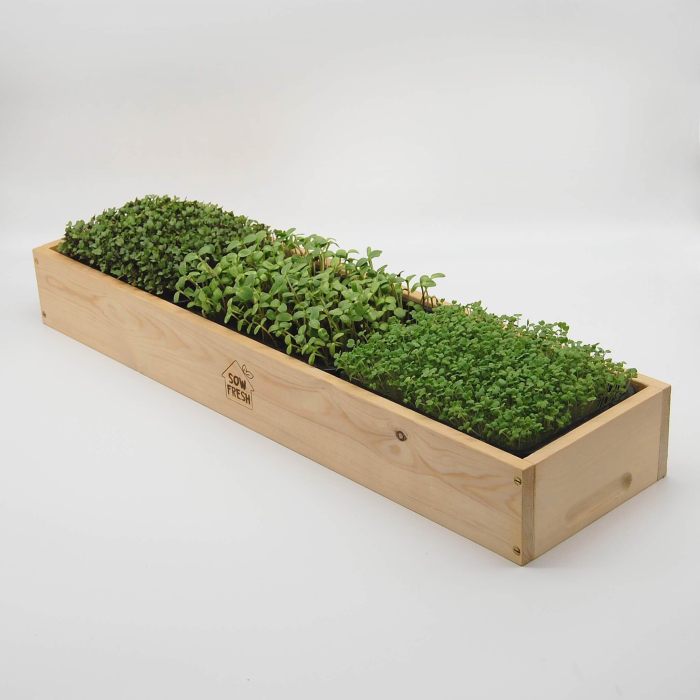
High-quality seeds are paramount for successful microgreen cultivation. The tiny seeds hold the potential for vibrant, nutritious sprouts, but only if carefully selected and nurtured. Proper seed selection and germination practices directly influence the final product’s quality, yield, and overall success of the microgreen growing process.Seed selection and germination methods determine the speed, uniformity, and overall health of the microgreens.
A meticulous approach to these stages ensures a consistent, high-quality yield and minimizes potential setbacks.
Importance of High-Quality Seeds
Selecting high-quality seeds ensures optimal germination rates and uniform growth. Poor-quality seeds often have reduced viability, leading to slower or uneven sprouting, and potentially compromised nutritional value. This careful selection minimizes the risk of wasted resources and ensures a successful harvest.
Best Practices for Seed Germination and Preparation
Thorough seed preparation before germination significantly impacts the outcome. This involves a crucial process of cleaning and treating the seeds to optimize germination conditions.Pre-soaking seeds in water can improve their hydration, aiding in the initial germination process. This step helps soften the seed coat, making it easier for the seed to absorb water and begin the germination process.
Specific seed types may require specific pre-soaking durations. It’s crucial to ensure the seeds are not over-soaked, which can lead to fungal growth.
Comparison of Different Seed Germination Methods
Various methods exist for seed germination, each with unique advantages and considerations. The choice of method depends on the specific seed type and the desired outcome.The traditional method involves direct sowing into the growing medium. This is a straightforward approach, but it can be less efficient for large-scale production. Hydroponic germination, on the other hand, involves using water or a nutrient solution to germinate the seeds.
This method allows for better control of the environment, resulting in faster and more uniform germination. The method also allows for better monitoring of the germination process, enabling adjustments to the environment as needed.
Optimal Conditions for Seed Germination
Ideal conditions for seed germination are critical to successful microgreen production. The optimal temperature range for most seeds is between 65-75°F (18-24°C). Maintaining proper humidity levels is also vital, often achieved through a combination of misting and appropriate covering. Proper light exposure can also influence the germination rate and development of the seedlings.
Optimal seed germination often requires a balance of temperature, humidity, and light exposure.
Table of Seed Varieties and Germination Requirements
| Seed Variety | Optimal Temperature (°F) | Pre-soaking (hours) | Germination Time (days) | Light Requirements |
|---|---|---|---|---|
| Lettuce | 65-75 | 4-6 | 3-5 | Low-medium |
| Mustard | 65-75 | 2-4 | 2-4 | Low-medium |
| Spinach | 65-75 | 6-8 | 3-5 | Low-medium |
| Broccoli | 70-75 | 8-12 | 4-6 | Medium |
Note: These are general guidelines. Specific requirements may vary depending on the seed variety and growing conditions.
Harvesting and Storage of Microgreens
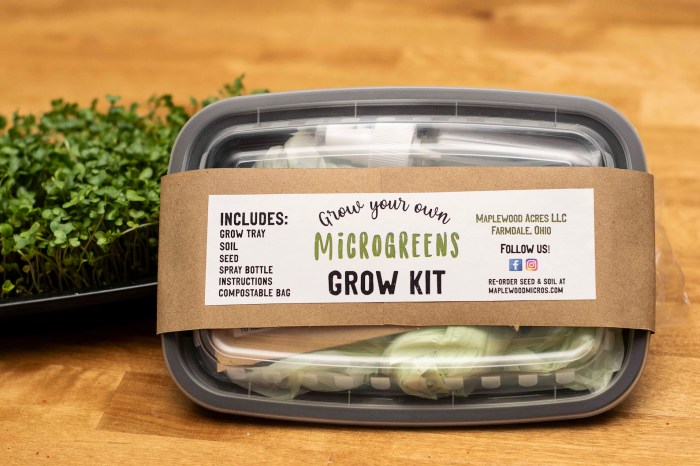
Japanese microgreens, prized for their vibrant color and nutritional density, require careful harvesting and storage to maintain their freshness and quality. Proper techniques ensure optimal flavor and texture, maximizing the culinary and nutritional benefits of these delicate sprouts. Neglecting these steps can lead to rapid deterioration, diminishing the overall experience.
Optimal Harvesting Techniques
Harvesting microgreens at their peak is crucial for maximizing flavor and nutritional value. This involves selecting the ideal time, considering the variety, and employing gentle handling to prevent damage. The timing depends on the specific type of microgreen, which is why precise knowledge of each variety is important. Early harvesting often results in more tender microgreens, while slightly later harvests may offer a slightly more robust texture.
Preserving Freshness
Maintaining the freshness of harvested microgreens is paramount. A critical step is immediate attention to cooling. Rapid chilling minimizes enzymatic activity, which can lead to degradation. This process slows down the aging process and prevents nutrient loss. Proper packaging is essential in this process, ensuring the preservation of the delicate texture and the vibrant colors.
The use of moisture-wicking materials and airtight packaging prevents the microgreens from drying out and keeps them crisp.
Storage Conditions for Optimal Quality
Optimal storage conditions are critical for preserving the freshness and quality of harvested microgreens. Maintaining a cool temperature, ideally below 40°F (4°C), is vital. Refrigeration is the preferred method for preserving freshness and preventing bacterial growth, keeping them crisp and vibrant. Properly storing them in a sealed container will prevent the loss of moisture, which is crucial for maintaining their texture.
Airtight containers prevent oxidation and maintain optimal moisture levels.
Importance of Handling and Packaging
Proper handling and packaging after harvesting significantly impact the microgreens’ longevity and quality. Gentle handling minimizes damage to the delicate leaves. Avoid rough handling, which can bruise or tear the microgreens, leading to a decline in quality. Use clean hands or sanitized tools. Use moisture-wicking materials in packaging to absorb excess moisture, which can lead to spoilage.
Airtight containers, like those with specialized microgreens storage bags, maintain optimal moisture and prevent oxidation.
Harvesting Time Table
| Microgreen Variety | Ideal Harvesting Time (Days after sowing) |
|---|---|
| Broccoli | 10-12 days |
| Spinach | 7-9 days |
| Radish | 5-7 days |
| Wheatgrass | 7-10 days |
| Kale | 10-12 days |
Note: Harvesting times are approximate and may vary based on environmental conditions and specific growing conditions. Monitoring the growth of each variety is essential for precise harvesting.
Troubleshooting Common Issues
Cultivating microgreens, while rewarding, can sometimes present challenges. Understanding potential problems and their solutions is crucial for successful harvests. Proper identification and swift action can prevent minor issues from escalating into major setbacks, ensuring a bountiful yield. Consistent monitoring and proactive care are key to maximizing the success rate.
Identifying Common Microgreen Problems
Troubleshooting microgreens requires a keen eye for detail. Recognizing early warning signs of problems is essential for timely intervention. Visual inspection of the seedlings, along with observing environmental factors, are crucial diagnostic tools. Changes in color, texture, or growth patterns can indicate underlying issues.
Addressing Issues Related to Environmental Conditions
Environmental factors play a critical role in microgreen growth. Inadequate light, temperature fluctuations, or excessive humidity can severely impact development. Proper environmental control is essential to prevent these issues.
- Insufficient Light: Microgreens require sufficient light for photosynthesis. Insufficient light can lead to etiolation (stretching) and pale color. Ensure adequate lighting, either through supplemental grow lights or natural sunlight, to prevent this problem.
- Temperature Fluctuations: Microgreens are sensitive to temperature changes. Extreme temperatures can hinder growth and lead to poor quality. Maintaining a stable temperature range, ideal for the specific microgreen variety, is crucial.
- Excessive Humidity: High humidity levels can promote fungal growth and other diseases. Maintaining appropriate humidity levels through proper ventilation and airflow is important to prevent these issues. Overwatering also contributes to high humidity and should be avoided.
Addressing Issues Related to Watering and Soil
Watering and soil quality are fundamental aspects of microgreen cultivation. Improper watering techniques or soil conditions can cause problems.
- Overwatering: Overwatering leads to root rot and inhibits proper oxygen exchange. Ensure adequate drainage to prevent waterlogging, and adjust watering frequency based on the soil’s moisture level.
- Underwatering: Underwatering causes the seeds to dry out, resulting in stunted growth or even death. Regularly check soil moisture to ensure proper hydration without overwatering.
- Soilborne Diseases: Infections can originate from contaminated soil or poor hygiene practices. Sterilize the soil or use disease-resistant varieties to prevent these issues. Use a clean, high-quality seed starting mix for the best results.
Addressing Issues Related to Seed Quality and Germination
Seed quality and germination processes are important to successful microgreen production. Poor seed quality or issues during germination can lead to poor growth or even failure.
- Poor Seed Quality: Using old, damaged, or low-quality seeds can lead to poor germination rates. Purchase seeds from reputable suppliers and ensure they are fresh.
- Improper Germination: Inadequate moisture or temperature during the germination phase can impede the growth process. Follow the seed package instructions for optimal germination conditions.
Troubleshooting Table
| Problem | Solution |
|---|---|
| Insufficient Light | Increase light intensity using supplemental grow lights or move to a sunnier location. |
| Temperature Fluctuations | Maintain a stable temperature range within the optimal range for the microgreens. |
| Excessive Humidity | Improve air circulation and ventilation to reduce moisture levels. |
| Overwatering | Reduce watering frequency and ensure proper drainage. |
| Underwatering | Increase watering frequency and monitor soil moisture regularly. |
| Soilborne Diseases | Sterilize the soil or use disease-resistant varieties. |
| Poor Seed Quality | Purchase seeds from reputable suppliers and ensure they are fresh. |
| Improper Germination | Follow seed package instructions for optimal germination conditions. |
Customer Reviews and Feedback
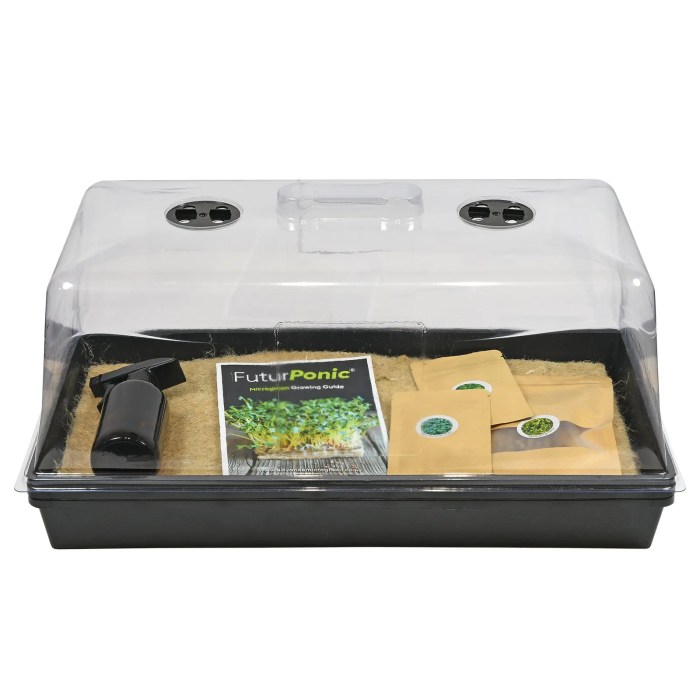
Customer feedback on Japanese microgreens growing kits reveals a mixed but largely positive experience. Consumers appreciate the convenience and ease of use, often citing the kits’ compact design and the ability to cultivate fresh, healthy microgreens at home. However, some users have encountered challenges with seed germination or maintenance, highlighting areas for potential improvement in kit design and user instructions.
Summary of Customer Feedback
Customer feedback, collated and analyzed, provides valuable insights into the strengths and weaknesses of the Japanese microgreens growing kits. A significant portion of reviews praise the kits’ ease of assembly and the speed at which microgreens can be grown. This rapid turnaround time is often a key selling point for busy consumers seeking convenient access to fresh produce.
Categories of Customer Feedback
Customer reviews are categorized into several key areas to understand the nuanced aspects of user experience. This analysis provides a comprehensive understanding of consumer satisfaction and areas requiring attention.
- Positive Feedback: A substantial portion of reviews highlights the ease of use, the speed of growth, and the freshness of the microgreens produced. Users consistently praise the compact design, allowing for convenient cultivation in limited spaces. The kits’ ability to grow microgreens quickly and easily is a recurring theme, emphasizing the convenience factor.
- Seed Germination Concerns: Some customers reported challenges with seed germination rates. Factors such as inconsistent seed quality, improper watering techniques, or insufficient humidity levels within the kit were cited as potential contributing factors. This highlights the need for clearer instructions regarding optimal seed preparation and environmental conditions.
- Maintenance and Care Issues: A smaller but notable segment of reviews mentions issues with kit maintenance. Problems included inadequate drainage, leading to waterlogging, and difficulties in maintaining consistent humidity levels. This suggests the need for improved kit design features to mitigate these issues.
- Instructions and Clarity: Some customers felt the provided instructions were not detailed enough or lacked clarity in certain areas, leading to confusion regarding specific growing procedures. This underlines the importance of user-friendly instructions and potentially the inclusion of supplementary resources, such as online tutorials or videos.
Customer Satisfaction and Concerns
Overall customer satisfaction is high, but addressing specific concerns regarding seed germination, maintenance, and instruction clarity can further enhance the user experience. These issues, while potentially minor, can lead to frustration and ultimately impact the long-term adoption of the kits. Addressing these concerns directly through improved instructions, kit design modifications, and potential quality control measures in seed selection will enhance customer loyalty.
Categorized Customer Reviews Table
| Feature/Benefit | Positive Feedback | Concerns/Issues |
|---|---|---|
| Ease of Use | “Simple assembly, quick growth.” “Easy to follow instructions.” | “Some instructions were confusing.” |
| Speed of Growth | “Microgreens ready in just a few days!” | “No mention of growth time variation.” |
| Compact Design | “Perfect for small spaces.” | “Limited space for water reservoir.” |
| Freshness of Microgreens | “Amazing taste, so fresh.” | “No issues reported.” |
| Seed Germination | “Great germination rates.” | “Inconsistent seed quality.” “Improper watering.” |
| Maintenance | “Easy to maintain.” | “Poor drainage.” “Difficulty maintaining humidity.” |
Comparison with Other Microgreens Growing Methods
Japanese microgreens growing kits offer a convenient and controlled environment for cultivating these nutritious sprouts. However, understanding their place within the broader microgreens landscape requires a comparison with other methods, like hydroponics and aeroponics. These methods offer unique advantages and disadvantages, impacting cost-effectiveness, efficiency, and suitability for different users.The key differentiator lies in the level of environmental control and the resources required.
Japanese kits, with their contained systems, often excel in consistency and ease of use. Other methods might offer higher yields in specialized setups, but require more technical expertise and initial investment. Ultimately, the optimal method depends on the user’s needs and resources.
Hydroponic Microgreens
Hydroponic systems cultivate plants without soil, using nutrient-rich water solutions. This method allows for precise nutrient delivery, potentially leading to higher yields and faster growth cycles compared to soil-based methods. However, the initial setup costs can be substantial, and maintaining the precise nutrient balance in the water is crucial to prevent imbalances. Additionally, the delicate nature of the water-based systems requires constant monitoring and adjustments.
Hydroponics is often preferred by experienced growers aiming for maximum output, but it may not be as user-friendly for beginners as Japanese kits.
Aeroponic Microgreens
Aeroponics, a more advanced form of hydroponics, suspends seeds in a mist of nutrient solution. This method reduces water usage compared to hydroponics, and provides highly efficient nutrient delivery. However, it demands more precise environmental control, including consistent humidity and temperature levels. The equipment is more complex and expensive than a Japanese kit, requiring specialized expertise for optimal performance.
Aeroponics is ideal for commercial growers seeking high yields and efficient water management, but it may not be a practical choice for home gardeners or those on a budget.
Japanese Microgreens Kits
Japanese microgreens kits provide a relatively low-cost, space-efficient solution. The controlled environment and pre-packaged components minimize setup time and expertise required. While the yield might be lower compared to large-scale hydroponic or aeroponic setups, the ease of use and convenience make them suitable for home use and small-scale businesses. They also allow for experimentation with different seed types and varieties without extensive setup or expertise.
Comparative Analysis
| Feature | Japanese Microgreens Kits | Hydroponics | Aeroponics |
|---|---|---|---|
| Cost | Low to moderate | Moderate to high | High |
| Space Requirements | Compact | Variable, depending on the system | Compact to moderate |
| Yield | Moderate | High | Very High |
| Ease of Use | High | Moderate | Low |
| Technical Expertise | Low | Moderate | High |
| Scalability | Easy | Moderate to High | High |
The table highlights the varying cost structures, space needs, and yields of the different microgreens growing methods. The choice of method will depend on individual priorities and resources. For instance, a home gardener seeking an easy-to-use solution might favor the Japanese kit. Conversely, a commercial grower targeting high yields might opt for a hydroponic or aeroponic system.
Ultimately, the Japanese kit’s accessible design and low barrier to entry make it a compelling choice for numerous users.
Closing Summary
Cultivating Japanese microgreens at home is now easier than ever with dedicated growing kits. This guide provides a comprehensive overview of the process, from initial seed selection to final harvest, covering all aspects of cultivation. By understanding the specific techniques and considerations detailed in this guide, home gardeners can enjoy the unique flavors and nutritional benefits of Japanese microgreens with ease and confidence.
